


Latest news
-
PhD positions in Energy Technology with focus on Human–Building Interaction
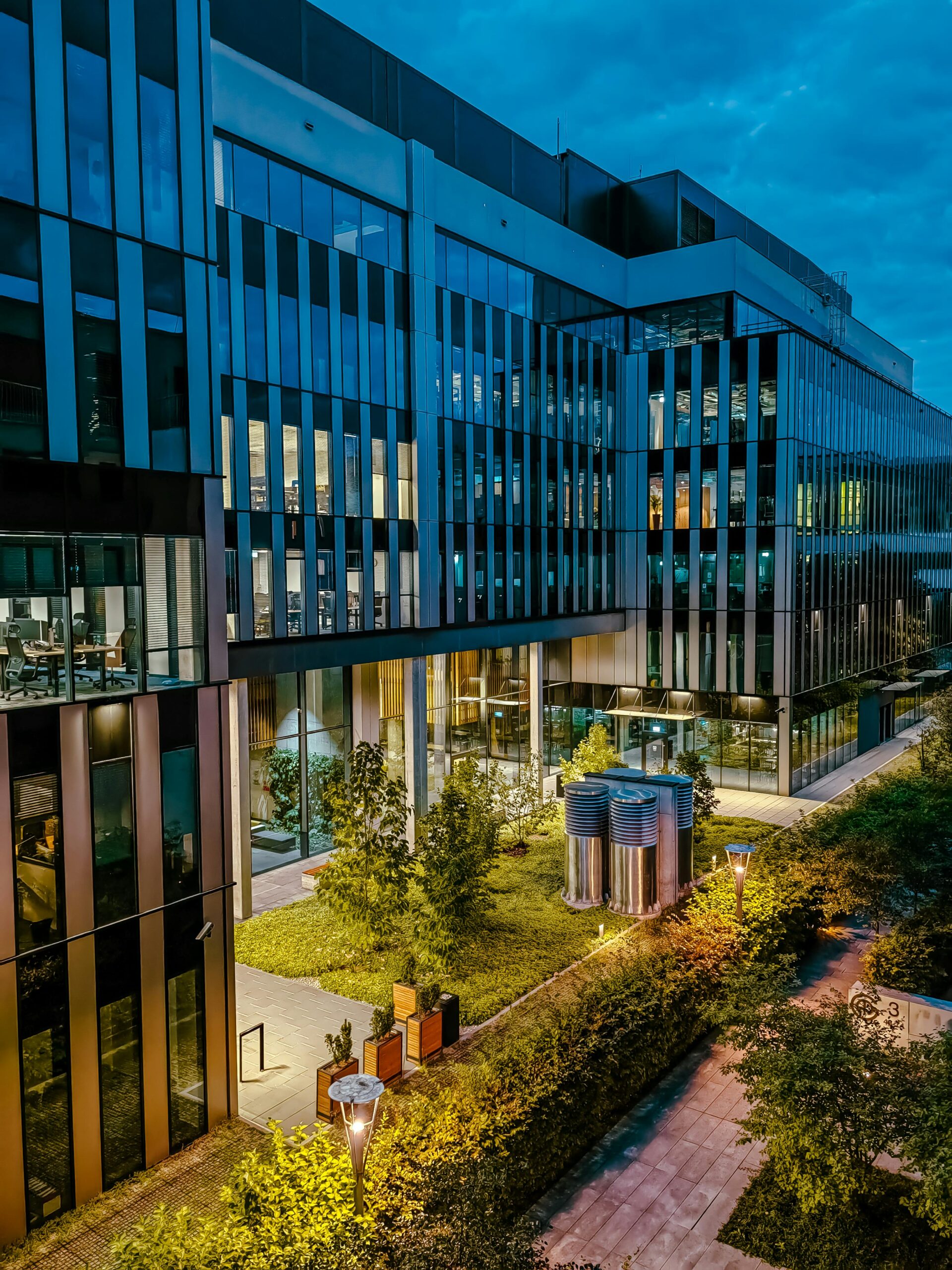
Department of Applied Physics and Electronics Umeå University is one of Sweden’s largest higher education institutions with over 41,500 students and about 4,600 employees. The University offers a diversity of high-quality education and world-leading research in several fields. Notably, the groundbreaking discovery of the CRISPR-Cas9 gene-editing tool, which was awarded the Nobel Prize in Chemistry,
Our Research
We study how people experience and interact with indoor environments using immersive simulations and controlled climate conditions. This approach helps us better understand how buildings can support people while addressing energy and climate challenges.
Occupant-centric Energy Transitions explores how people respond to energy-efficient building strategies and changing energy systems, with the goal of developing inclusive and occupant-centered solutions.
Climate Resilience in the Built Environment examines how buildings and occupants adapt to climate extremes, helping develop strategies that strengthen resilience for both people and buildings.
Our Facilities
Experience buildings before they exist
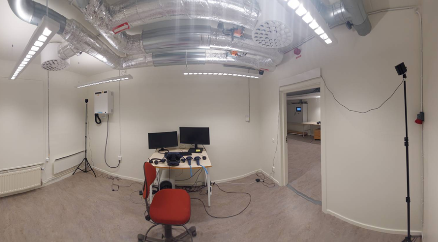
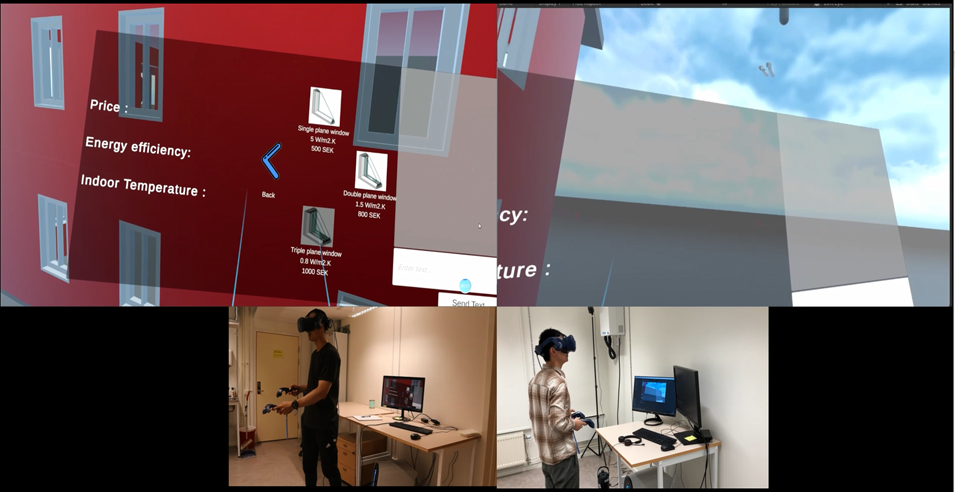
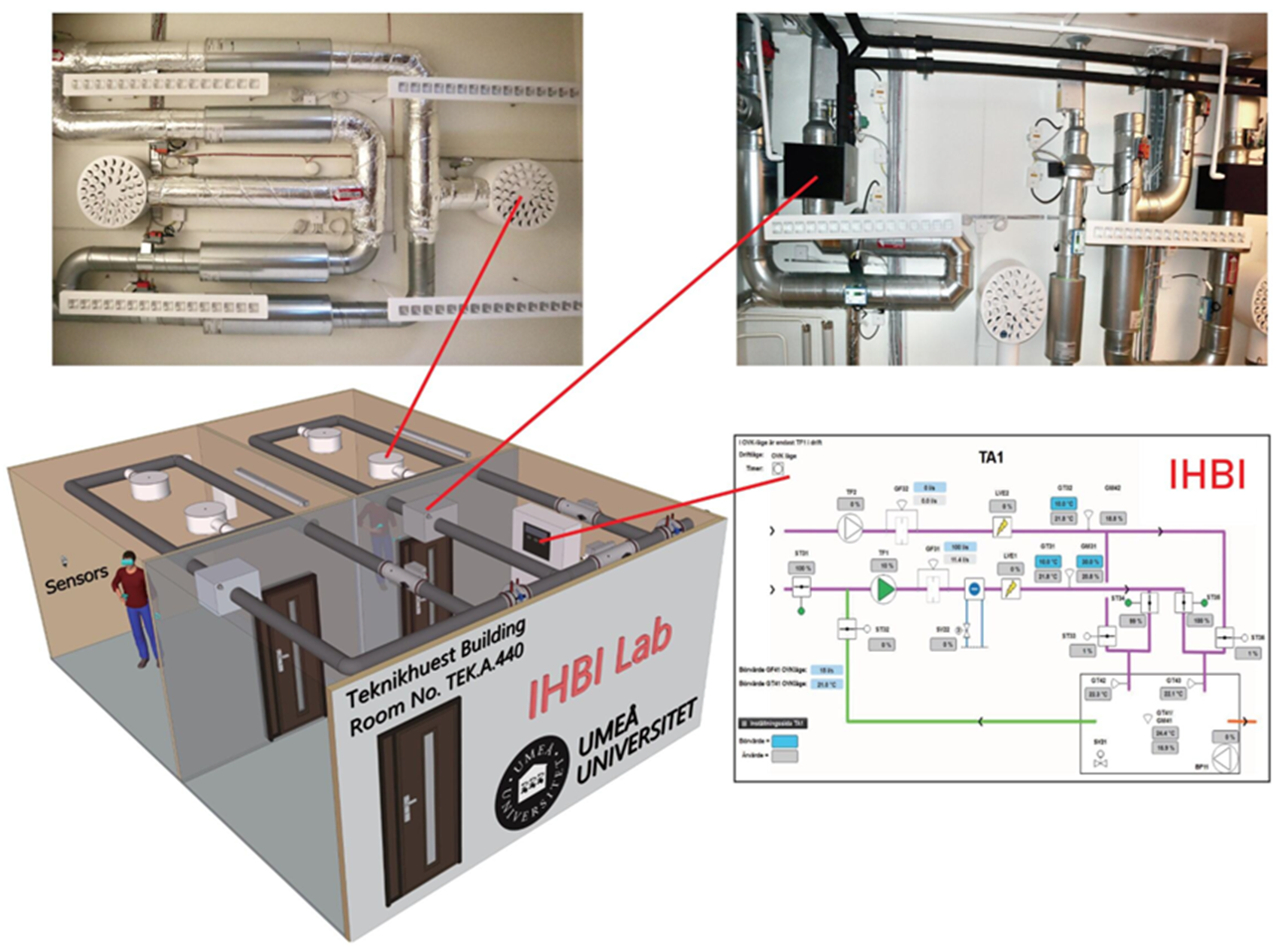
The IHBI Lab provides a unique experimental platform where building environments can be tested before they are implemented in real life. By combining immersive virtual environments with a climate chamber, participants can both see and physically experience different building conditions, such as temperature, airflow, and lighting.
This allows researchers to study how people perceive and respond to energy-efficient solutions, supporting the development of more sustainable, resilient, and occupant-centered buildings.